Daily Maintenance Checklist for Optimal Paper Cup Machine Performance
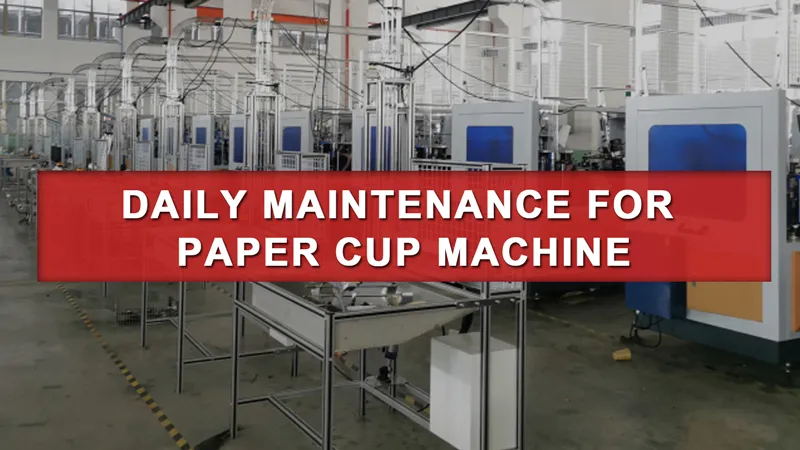
A reliable paper cup production line depends on more than machine quality alone. Daily maintenance plays a critical role in maintaining production stability, reducing downtime, improving cup quality, and extending equipment lifespan.
Whether you operate a single machine or a complete paper cup production line, spending just a few minutes each day on preventive maintenance can help avoid costly repairs and unexpected production interruptions.
This guide provides a practical daily maintenance checklist for paper cup forming machines, printing equipment, die cutting machines, and paper material handling systems.
Why Daily Maintenance Is Important
Many production problems that appear to be major machine failures actually begin as small maintenance issues. Loose bolts, dirty sensors, worn belts, improper lubrication, or paper dust buildup can gradually affect machine performance and eventually lead to downtime.
A structured maintenance routine helps:
- Extend machine service life
- Reduce unexpected breakdowns
- Improve production efficiency
- Maintain stable cup quality
- Reduce spare parts consumption
- Improve operator safety
- Lower overall production costs
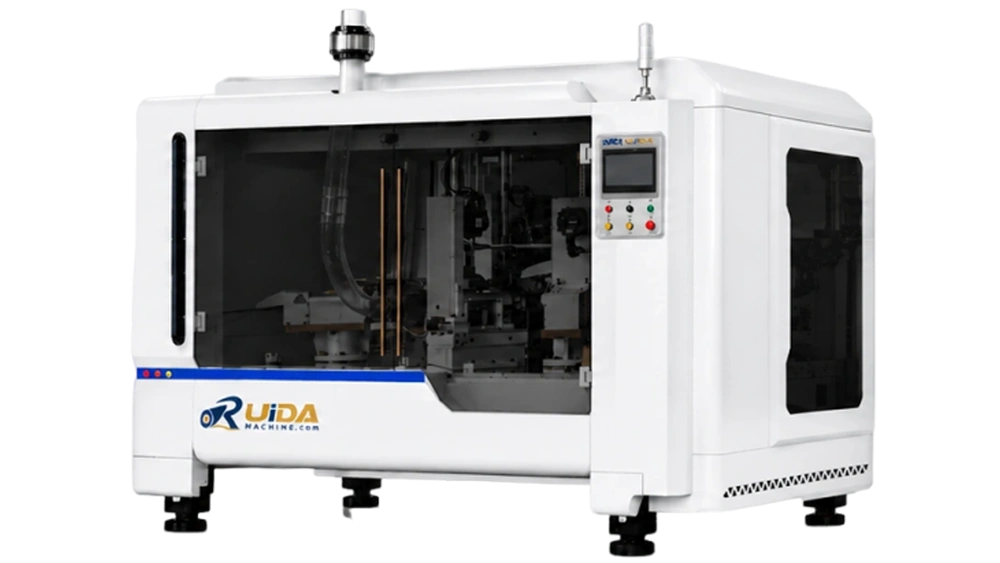
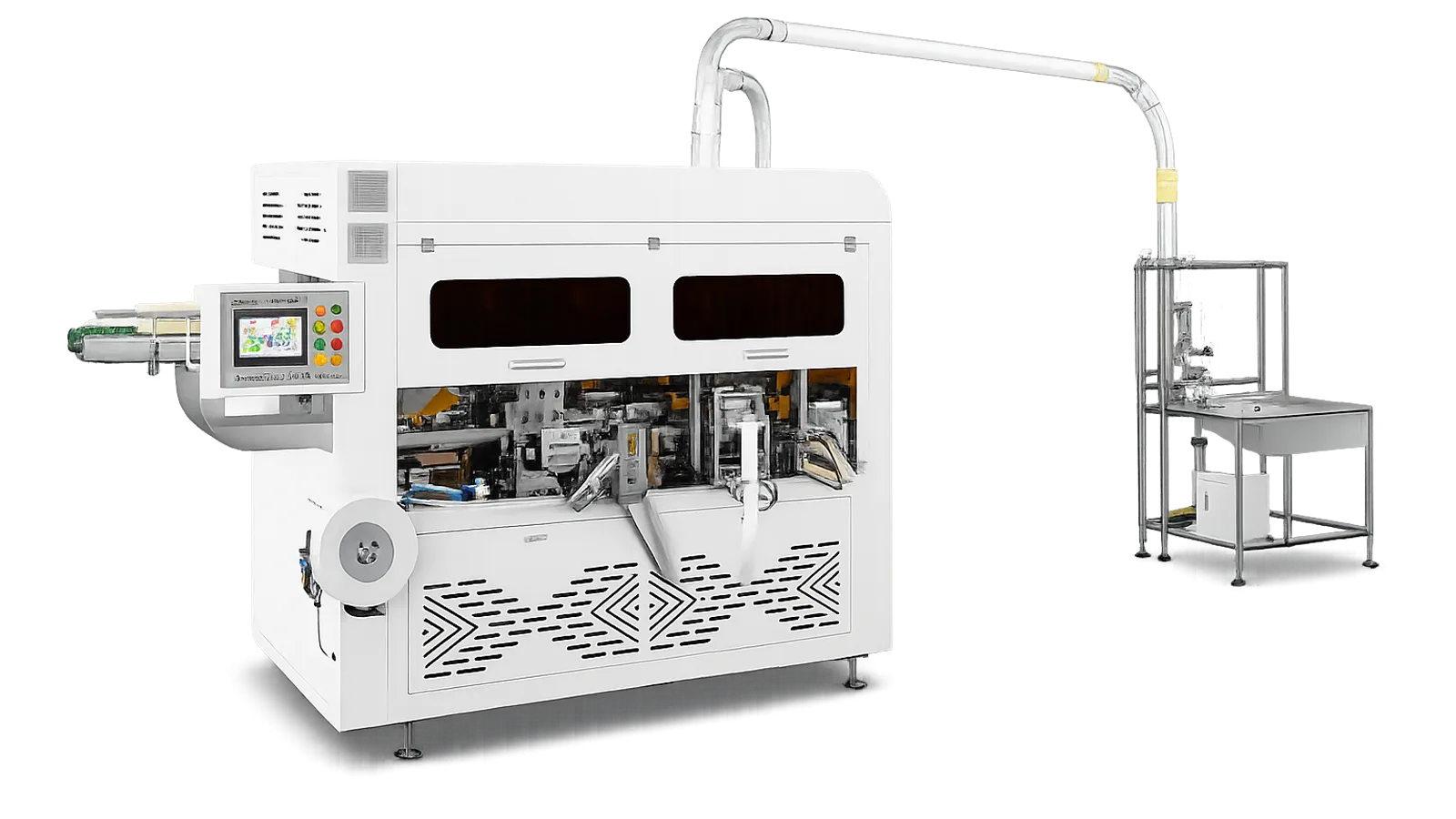
Factories using modern high-speed equipment such as the RD-XLF200BF Servo Paper Cup Machine can benefit significantly from consistent preventive maintenance because high-speed production places greater demands on machine components.
Daily Maintenance Checklist for Paper Cup Forming Machines
The forming machine is the core of the paper cup production process. Proper maintenance ensures accurate cup forming, stable sealing quality, and consistent production speed.
| Inspection Item | What to Check | Recommended Action |
|---|---|---|
| Lubrication Points | Chains, bearings, gearbox, cams | Apply appropriate high-temperature grease |
| Forming Molds | Paper dust and residue | Clean thoroughly before production |
| Sensors | Alignment and contamination | Clean and verify signal response |
| Heating Units | Carbon buildup and contamination | Clean carefully using suitable cleaner |
| Pneumatic System | Air pressure stability | Verify pressure meets machine specifications |
| Fasteners | Loose screws and bolts | Tighten where necessary |
| Discharge Section | Cup ejection and stacking | Remove any blocked or damaged cups |
Lubrication Inspection Checklist
Lubrication is one of the most important maintenance tasks. Inadequate lubrication can cause premature wear, increased friction, excessive heat generation, and unexpected mechanical failures.
Operators should inspect:
- Main drive chains
- Cam followers
- Gearboxes
- Bearings
- Transmission shafts
- Moving guide rails
Always use lubricants recommended by the machine manufacturer and avoid mixing different grease types.
Heating System Maintenance
The heating system directly affects cup sealing quality and bottom bonding performance.
During daily inspection:
- Check heating temperature stability
- Inspect heaters for contamination
- Remove PE residue and carbon deposits
- Verify temperature controller accuracy
- Inspect heater wiring connections
Dirty heating surfaces often cause inconsistent sealing and may lead to leakage problems in finished cups.
Sensor and Electrical System Inspection
Modern paper cup machines rely on sensors and control systems to maintain production accuracy.
Operators should inspect:
- Photoelectric sensors
- Cup detection sensors
- Limit switches
- Emergency stop buttons
- PLC warning messages
- Control panel indicators
Paper dust accumulation is one of the most common causes of sensor malfunction. A quick daily cleaning routine can prevent many production interruptions.
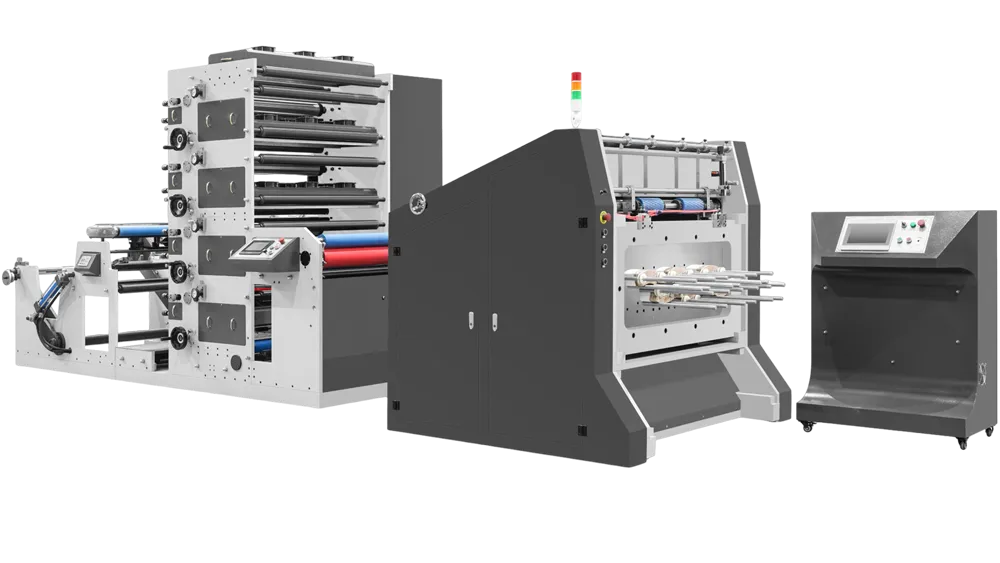
Paper Cup Printing Machine Daily Maintenance
If your production line includes printing equipment, daily maintenance is equally important for maintaining registration accuracy and print quality.
| Inspection Item | What to Check | Recommended Action |
|---|---|---|
| Ink Trays | Ink residue and contamination | Clean thoroughly after production |
| Printing Rollers | Dust and paper fibers | Wipe with lint-free cloth |
| Registration Sensors | Alignment accuracy | Verify sensor operation |
| Drive Belts | Wear and tension | Inspect for cracks or slipping |
| Safety Guards | Secure installation | Verify before startup |
Die Cutting Machine Daily Maintenance
Die cutting accuracy directly affects paper cup forming quality. Poorly maintained die cutting equipment can increase waste and cause feeding problems later in production.
| Inspection Item | What to Check | Recommended Action |
|---|---|---|
| Die Cutting Mold | Sharpness and cleanliness | Inspect and clean daily |
| Feed Rollers | Alignment and movement | Adjust if necessary |
| Waste Collection Area | Paper scrap buildup | Remove waste daily |
| Detection Sensors | Response accuracy | Test functionality |
| Emergency Stop System | Safety operation | Perform routine testing |
Paper Material Storage Inspection
Machine performance is closely linked to raw material condition. Poor paper storage practices can cause feeding problems, sealing defects, wrinkles, and increased reject rates.
| Inspection Item | Recommended Practice |
|---|---|
| Humidity Control | Maintain 40–60% relative humidity |
| Temperature Stability | Avoid excessive heat exposure |
| Roll Alignment | Store rolls horizontally and securely |
| Moisture Protection | Keep paper away from water sources |
| Paper Orientation | Verify correct PE coating direction before loading |
Daily Maintenance Log Template
Maintaining a simple inspection record helps track machine condition and identify recurring issues before they become serious problems.
| Date | Shift | Operator | Inspection Completed | Observations | Signature |
|---|---|---|---|---|---|
| 2026-06-10 | Morning | ✓ |
A daily log also provides valuable maintenance history that can help diagnose future machine issues.
Weekly and Monthly Maintenance Recommendations
Daily maintenance should be supported by deeper inspections on a weekly and monthly basis.
Weekly maintenance may include:
- Deep cleaning of forming units
- Drive chain inspection
- Electrical cabinet cleaning
- Air line inspection
- Mold alignment verification
Monthly maintenance may include:
- Gearbox inspection
- Temperature calibration
- Bearing condition evaluation
- Sensor calibration
- Spare parts inventory review
Warning Signs That Require Immediate Attention
Production should be paused if any of the following symptoms appear:
- Abnormal motor noise
- Burning smell from electrical components
- Unstable production speed
- Frequent paper jams
- Cup sealing inconsistencies
- Excessive vibration
- Unexpected machine stoppages
Ignoring these warning signs often leads to larger repair costs and longer downtime.
If you encounter any of these issues, refer to our detailed troubleshooting guide: 10 Common Paper Cup Machine Problems & Fixes.
FAQ: Paper Cup Machine Maintenance
How long does daily maintenance take?
For most paper cup production lines, daily maintenance requires approximately 15–30 minutes depending on machine size and production volume.
What is the most important daily maintenance task?
Lubrication, sensor cleaning, and heating system inspection are among the most critical daily maintenance activities.
How often should heating units be cleaned?
A quick inspection should be performed daily, while deeper cleaning should be completed weekly or as required by production conditions.
Can poor maintenance affect cup quality?
Yes. Poor maintenance can lead to sealing failures, cup leakage, shape inconsistencies, production instability, and increased waste.
How can maintenance reduce production costs?
Preventive maintenance reduces downtime, lowers spare parts consumption, extends machine lifespan, and improves overall production efficiency.
Final Thoughts
A well-maintained paper cup production line operates more efficiently, produces better-quality cups, and experiences fewer unexpected failures. Daily maintenance requires only a small time investment but delivers significant long-term benefits.
At Zhejiang Ruida Machinery, we support customers not only with reliable equipment but also with practical operational guidance that helps maximize production performance and machine lifespan.
Whether you operate a standard paper cup machine or a high-speed RD-XLF200BF Servo Paper Cup Machine, a structured maintenance routine is one of the most effective ways to protect your investment and improve profitability.