PE-Coated Paper Roll for Paper Cup Production
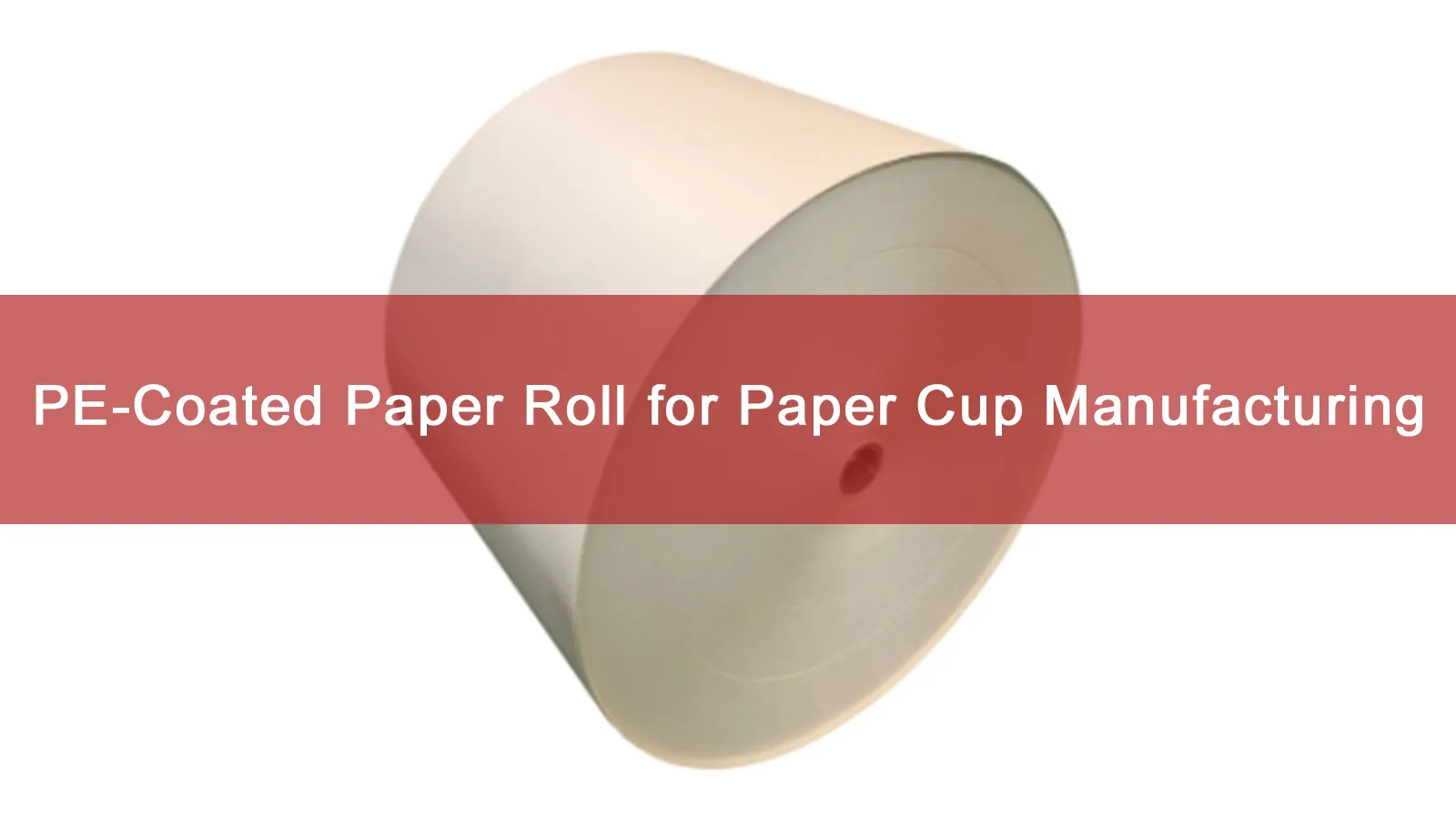
PE-coated paper roll is one of the most important raw materials used in the production of paper cups, paper bowls, food containers, and other disposable paper packaging products. The quality of the paper roll directly affects cup sealing strength, forming stability, printing performance, and overall production efficiency.
Whether you are manufacturing coffee cups, cold drink cups, soup bowls, or takeaway food containers, selecting the correct PE-coated paper specification is essential for maintaining product quality and controlling production costs.
This guide explains how PE-coated paper rolls are manufactured, their technical specifications, common applications, and how to choose the right material for your production requirements.
What Is PE-Coated Paper Roll?
PE-coated paper roll is produced by applying a thin polyethylene (PE) layer onto food-grade paperboard through an extrusion coating process. The PE coating creates a moisture-resistant and heat-sealable surface that allows the paper to be converted into leak-resistant packaging products.
Without PE coating, paper cups and food containers would quickly absorb liquids and lose structural strength.
The coating also enables the sealing process used during paper cup forming, making it one of the most critical materials in paper packaging production.
How PE-Coated Paper Roll Is Manufactured
The production process typically includes:
- Food-grade base paper preparation
- Extrusion coating with molten polyethylene
- Cooling and surface stabilization
- Roll winding and inspection
- Quality control testing
- Packing and shipment
The coating thickness, paper weight, roll width, and winding quality must be carefully controlled to ensure compatibility with high-speed paper cup production equipment.
Types of PE-Coated Paper
Single PE-Coated Paper
Single PE-coated paper has polyethylene coating on one side only.
It is primarily used for:
- Hot drink paper cups
- Coffee cups
- Tea cups
- Paper food containers with limited moisture exposure
Single PE paper is the most commonly used and cost-effective option for paper cup manufacturing.
Double PE-Coated Paper
Double PE-coated paper has polyethylene coating on both sides of the paperboard.
It is commonly used for:
- Cold beverage cups
- Ice cream cups
- Frozen food containers
- Products exposed to condensation
The additional PE layer helps prevent moisture penetration from both the inside and outside surfaces.
Why PE-Coated Paper Is Used for Paper Cups
PE-coated paper offers several important advantages for disposable packaging production:
- Excellent moisture resistance
- Reliable heat-sealing performance
- Good grease resistance
- Suitable printing surface
- Strong cup-forming performance
- Food-contact compliance
- Cost-effective production
These properties make PE-coated paper the standard material used throughout the paper cup industry.
PE-Coated Paper Roll Specifications
| Parameter | Typical Specification |
|---|---|
| Base Material | 100% Virgin Wood Pulp Paper |
| Paper Weight | 150–350 gsm |
| PE Coating Thickness | 12–20 Microns |
| Coating Type | Single PE / Double PE |
| Roll Width | 600–1500 mm |
| Outer Diameter | Up to 1200 mm |
| Printing Compatibility | Flexographic and Offset Printing |
Actual specifications should be selected according to cup size, application, machine type, and production requirements.
Recommended GSM for Different Paper Cup Sizes
| Cup Size | Recommended Paper Weight | Recommended Coating |
|---|---|---|
| 4oz–6oz | 150–170 gsm | Single PE |
| 7oz–9oz | 170–190 gsm | Single PE |
| 10oz–12oz | 190–230 gsm | Single PE |
| 16oz–22oz | 230–300 gsm | Single or Double PE |
| Cold Drink Cups | 190–300 gsm | Double PE |
Selecting the appropriate paper weight helps maintain cup strength while avoiding unnecessary material costs.
Applications of PE-Coated Paper Rolls
PE-coated paper is widely used in food and beverage packaging production.
- Paper coffee cups
- Tea cups
- Cold drink cups
- Ice cream cups
- Paper bowls
- Soup containers
- Takeaway food boxes
- Medical disposable cups
- Fast-food packaging
Manufacturers producing multiple paper packaging products often use similar PE-coated paper grades across different production lines.
Compatibility with Paper Cup Machines
Material quality significantly affects machine performance. Poor-quality paper rolls can cause feeding instability, sealing defects, leakage, wrinkles, and increased production waste.
When using modern paper cup machines, properly matched paper specifications help achieve:
- Stable cup forming
- Consistent sealing quality
- Reduced machine downtime
- Lower waste rates
- Improved finished product appearance
Machine speed, heating configuration, and cup size should always be considered when selecting paper specifications.
PE-Coated Paper for Paper Bowl Production
In addition to paper cups, PE-coated paper is widely used for soup bowls, noodle bowls, salad bowls, and takeaway food containers.
Many manufacturers operating paper bowl machines require heavier paper grades and stronger coating performance because bowls typically contain larger volumes of food and liquid.
Paper bowl applications often require:
- Higher GSM paper
- Improved rigidity
- Enhanced leak resistance
- Greater heat resistance
PE vs PLA Coated Paper
| Feature | PE Coating | PLA Coating |
|---|---|---|
| Cost | Lower | Higher |
| Market Availability | Very Common | Limited |
| Compostability | No | Industrial Compostable |
| Heat Sealing | Excellent | Good |
| Production Stability | Excellent | Good |
| Global Adoption | Widely Used | Growing |
PE-coated paper remains the dominant material used in global paper cup manufacturing because of its cost efficiency, processing stability, and broad availability.
How PE-Coated Paper Affects Manufacturing Costs
Raw material costs account for the largest portion of paper cup production expenses. Even small differences in paper weight, coating thickness, or waste rate can significantly affect profitability.
Manufacturers looking to better understand material cost impact can refer to our detailed guide: Paper Cup Manufacturing Cost Analysis.
Optimizing material selection is often one of the fastest ways to reduce overall production costs without compromising cup quality.
FAQ: PE-Coated Paper Roll
Is PE-coated paper food safe?
Yes. Food-grade PE-coated paper is manufactured using materials suitable for food-contact applications and commonly complies with international food packaging requirements.
Can PE-coated paper be recycled?
PE-coated paper can be recycled through specialized recycling systems capable of separating the paper fibers from the polyethylene coating. Recycling availability varies by region.
What GSM paper is best for hot drink cups?
For most 6oz–12oz hot beverage cups, paper weights between 170 and 230 gsm with single PE coating are commonly used.
What is the difference between single PE and double PE paper?
Single PE paper is coated on one side and is mainly used for hot drinks. Double PE paper is coated on both sides and is generally used for cold drinks and applications exposed to condensation.
Can PE-coated paper be used for paper bowls?
Yes. PE-coated paper is widely used for paper bowls, soup containers, noodle bowls, and other food packaging products.
How do I choose the right paper specification?
Paper selection depends on cup size, beverage temperature, machine speed, forming technology, and local market requirements. Testing samples before mass production is always recommended.
Why Source PE-Coated Paper from Ruida Machinery?
As a manufacturer involved in paper packaging production solutions, Ruida understands the relationship between raw materials and machine performance.
We provide:
- Food-grade PE-coated paper rolls
- Custom roll width options
- Single PE and double PE specifications
- Paper matched to machine requirements
- Sample testing support
- Global shipping capability
- Technical consultation for cup production projects
Final Thoughts
PE-coated paper roll is the foundation of successful paper cup production. Selecting the correct paper weight, coating type, and roll specification helps improve machine performance, reduce waste, maintain product quality, and control manufacturing costs.
Whether you are producing paper cups, paper bowls, or food containers, choosing the right raw material is just as important as choosing the right machine. Working with an experienced supplier can help ensure smooth production and consistent product quality from the first roll to the final cup.